Will Tracking Your Board Games Ruin the Fun? (Short Answer: No.)
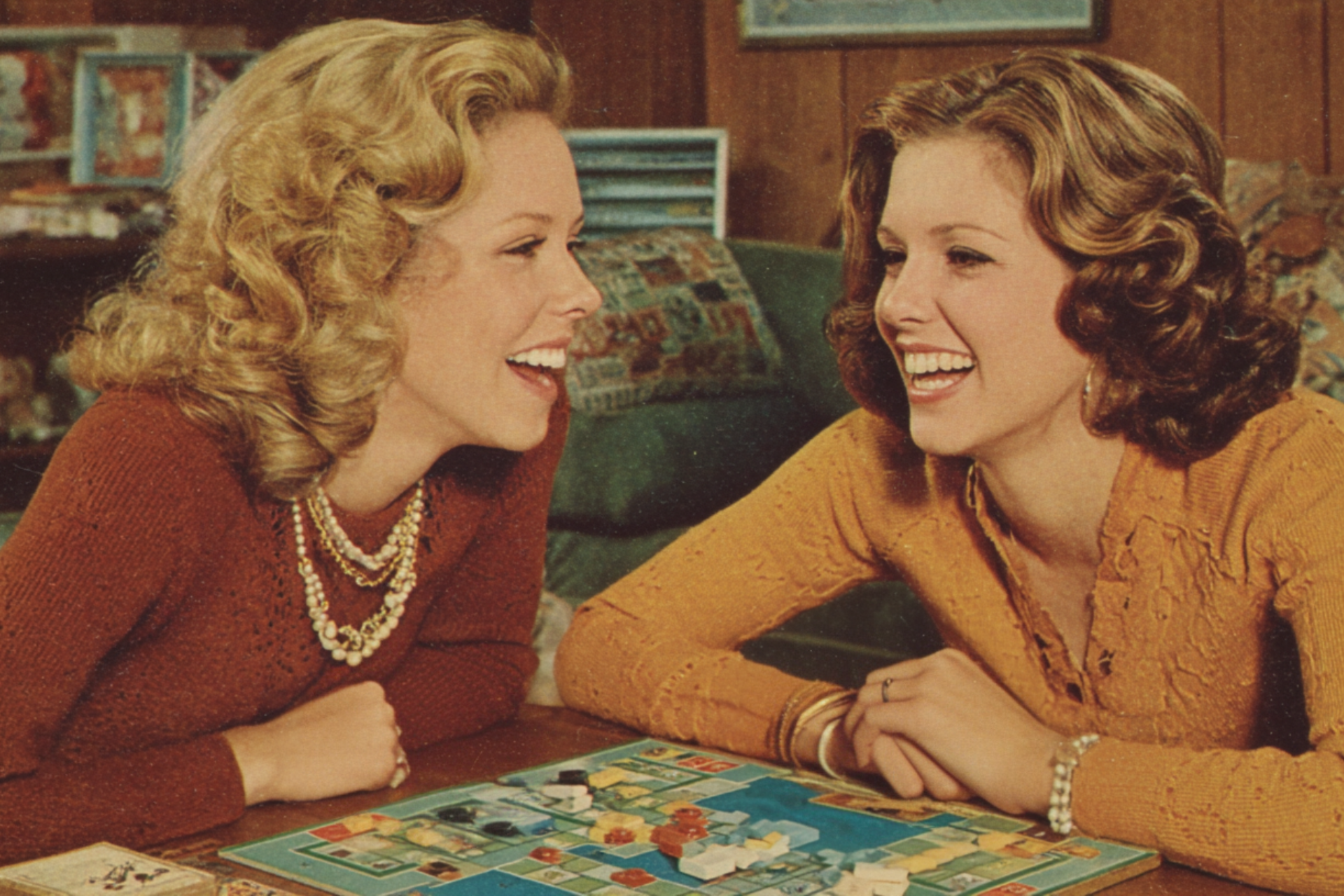
Tracking your board games might sound like one of those things that would immediately ruin game night.
Right up there with:
arguing about rules mid-turn
someone taking 12 minutes to decide on a move
or introducing a spreadsheet into what was supposed to be a fun, low-stakes evening
There’s a very specific kind of hesitation that shows up when you start thinking about tracking something you love.
Not because it’s hard. But because it feels like you might accidentally… ruin it.
Like the second you start paying attention, analyzing, writing things down— the whole thing shifts from: “this is fun” to: “this is something I am now thinking about having fun with” and those are not the same experience.
I learned this the hard way when I wrote my dissertation on gaming and had to play and analyze nearly 200 RPGs (or maybe even more; I could have blacked out).
At a certain point, I wasn’t just playing anymore. I was noticing systems. Patterns. Design choices. Tutorials. Which are all fascinating. But also? Slightly cursed.
(I highly do not recommend turning your hobbies into research projects unless you’re emotionally prepared.)
So, if the idea of tracking your board games has you thinking: “I don’t want to turn this into homework”—I totally get it.
But hear me out: tracking your hobbies doesn’t ruin the fun. Overcomplicating it does.
What People Think “Tracking” Means (and Why It Sounds Terrible)
When most people hear “track your board games,” they picture something… unfortunate.
A spreadsheet. Color-coded columns. Tiny text. A level of commitment that suggests you might also have strong opinions about pivot tables.
And suddenly game night feels less like: “let’s play something fun” and more like: “welcome to quarterly performance reviews”—which is not the vibe.
Also? The fastest way to kill the magic is having to think about the system more than the game.
If opening your tracker feels like a task—if there are logins, loading screens, pop-ups, or ten steps between you and writing something down—you’ve already lost.
Because now you’re not tracking (or even enjoying) your hobby. You’re managing it.
What You Actually Need to Track Your Board Games
Tracking your board games does not require:
a complex system
a personality shift
or a second hobby where your hobby is “tracking your hobby”
You need exactly three pieces of information:
what you played
who played
who won
That’s it.
Everything else is optional.
And once you remove the pressure to “do it right,” something interesting happens: It becomes easy.
And if you *do* love data (hi, same), you can absolutely layer that in:
ratings
notes
expansions
patterns
(By the way, I walk through how do get into all of those details here.)
But that’s a bonus—not the baseline.
You Don’t Have to Do This One Specific Way
There is no official game night rulebook for tracking your plays.
Some people jot down the basics (the game, who won) right after a game ends. Some people write all the details (ratings, setup, house rules) later that night, after cleaning up. Some people batch a few games at once the next weekend when they remember, “oh yeah, we played three rounds of 7 Wonders.”
It all counts.
Because the goal isn’t to perfectly document every moment in real time. It’s just to have a place to put your game nights somewhere more reliable than your memory.
(Your brain’s doing its best. It just… needs backup.)
In real life, it ends up looking a lot less like “tracking a hobby” and a lot more like: “wait—before I forget, who won that?” or “do we actually like this game enough to spend an hour setting it up again?”
What Changes When You Start Tracking Your Board Games
When you first start tracking your board games, you might feel like you’re just writing stuff down. (Okay, and you kinda are.)
But then, a few weeks later, you’ll start to see some pretty rad patterns emerge:
you know which games actually get played
you know who wins what (and how often)
you stop rebuying games you already own (important)
and you can answer “what should we play tonight?” without staring at a shelf like it personally betrayed you
Almost without realizing it, tracking your hobbies then becomes one of those systems that:
removes friction
adds clarity
and makes everything feel a little more intentional
Without requiring you to become a different person.
It doesn’t take the fun out of gaming. It just gives you better information than, “I think we liked that one, right?"
(For more ideas of what to track (and how people actually use this in real life), you can read about that here.)
How to Keep Track of Your Game Nights Without Overthinking It
If you want a way to track your games without turning it into a whole thing:
My board game trackers are designed to feel like part of the hobby—not a system layered on top of it.
They’re built to:
be easy to use
look good enough that you want to use them (just saying)
and fit into actual game night energy (not interrupt it)
So if you want a way to track your games that doesn’t feel like you just assigned yourself homework:
👉🏼 Check out the Board Game Trackers here
(There’s also a sampler right here if you want to poke around before committing.)
Tracking your game nights doesn’t ruin the vibe. It just helps you remember it.