“You Should Write a Memoir” Is Not a Plan
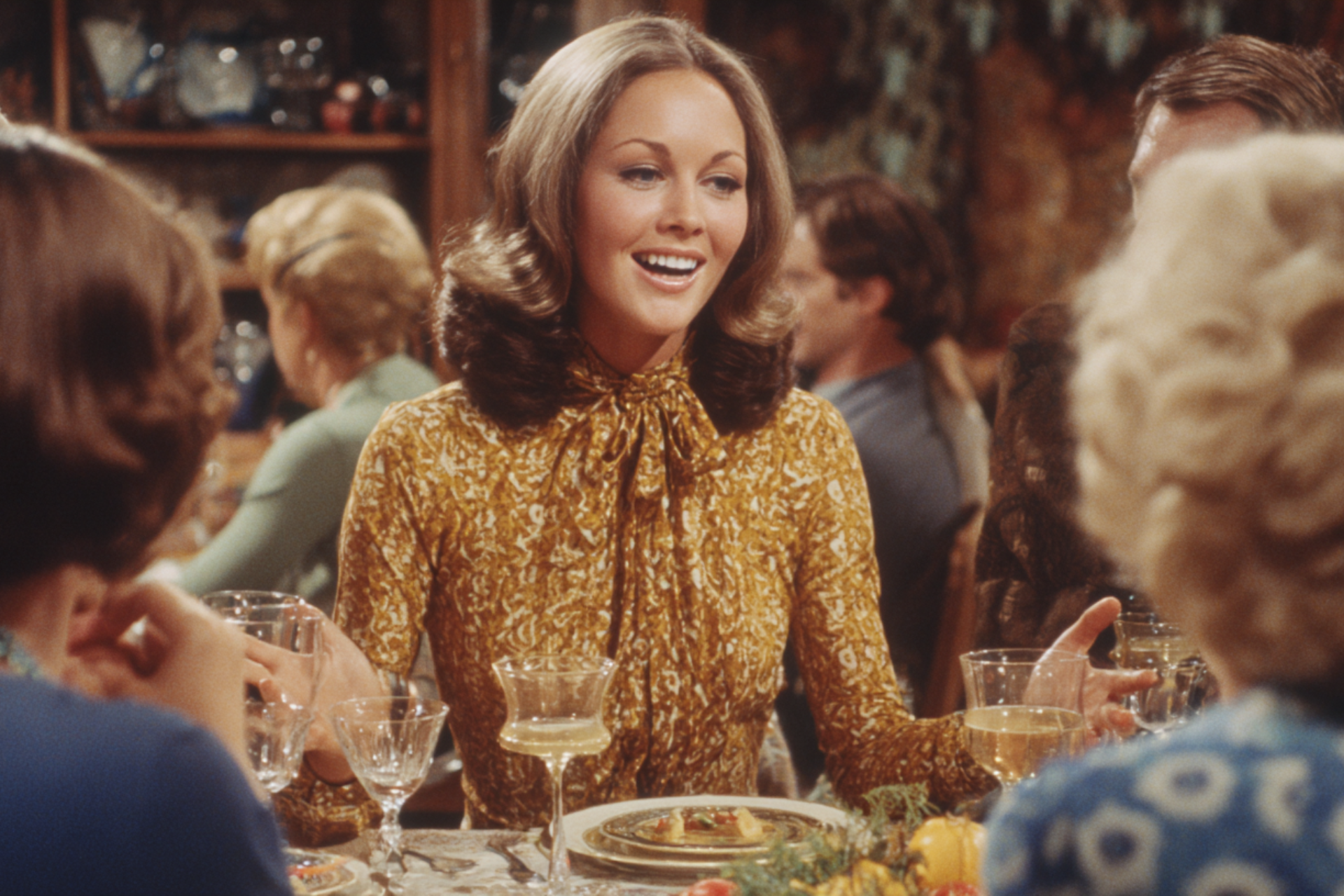
It usually happens mid-sentence.
You’re not trying to tell a story. You’re just explaining something that happened. Casually. Like it’s normal. Like everyone has a version of this.
And then you notice the reaction.
Someone stops chewing.
Someone stares at you a beat too long.
Someone says, wait—what?
You keep talking, because to you this is just context. This is just how it went. You’ve told this story a hundred times without realizing it’s a story.
And then someone says it:
You should write a memoir.
Not as advice.
More like an involuntary response.
You laugh, because what else are you supposed to do with that.
You say something like haha, yeah, maybe.
But now you’re clocking the room.
Because the look on their face wasn’t encouragement.
It was recognition.
That moment—when you realize the thing you thought was normal actually… isn’t—is when the comment lands.
And that’s when your brain short-circuits.
Not because you suddenly want to write a memoir.
But because you just realized your life might be weirder, heavier, or more interesting than you thought—that your story might actually help, teach, or entertain someone else.
And now it feels less like an idea and more like a responsibility.
Which would be fine, except no one explained what you’re supposed to do with that information.
Cue the Windows 95 error noise.
What People Think They’re Saying (Versus What You Hear)
To be fair, this advice is usually well-intentioned.
What people mean is something like:
That was interesting
That mattered
That deserves to be remembered
Please don’t let this disappear into the void like a Word doc named final_v3_FOR_REAL_THIS_TIME.
What it lands like is… less encouraging.
Cool, cool, cool… how?
With what time?
With what skills?
In what order?
Using what emotional bandwidth?
And also when, exactly, was I supposed to learn how to do that?
Because that one breezy sentence skips straight from interesting life to finished artifact with absolutely no support in between. Which is… bold.
Buried inside “you should write a memoir” are a lot of quiet assumptions doing heavy lifting. That there’s an obvious place to begin. That memories line up politely. That you’ll just know what belongs and what doesn’t. That time will open up a little pocket for this. That writing is a talent you either “have” or “don’t.” That emotional processing happens neatly, on command, preferably between dinner and bedtime.
When all of that goes unsaid, starting doesn’t feel creative—it feels like a test you didn’t know you were studying for.
And that’s where most memoirs stall out. Not because the story isn’t there, but because no one talks about what actually comes between having something to say and knowing what to do with it.
Why Writing a Memoir Feels Weirdly Hard to Start
Writing a memoir isn’t hard because nothing comes to mind. It’s hard because everything comes to mind.
All at once.
Every memory comes with add-ons. People. Consequences. Competing versions. Feelings that never technically resolved and would like a word.
And suddenly you’re not just writing—you’re making choices:
Start here or there?
Tell it straight or soften it?
Include this or avoid future family group texts entirely?
Explain it or let it sit there like an awkward silence?
That’s not being “blocked.”
That’s a brain saying, “Hey, maybe let’s not wing this.”
So… if you’re not sure where to start, here’s what to do.
Don’t start by writing. Start by collecting.
Instead of asking, How do I tell this?
Ask, Where can I put this for now?
That might look like:
dumping memories without worrying about order
sketching scenes without trying to explain them
jotting timelines without committing to a beginning
capturing moments without deciding what they “mean”
Writing feels scary when it asks for decisions too early.
It feels doable when it asks you to notice, gather, and set things down somewhere safe.
That’s how people get “unblocked.”
Not by pushing harder—by lowering what the first move requires.
So, take the pressure off.
Why “Just Start Writing” Is a Trap (and What to Do Instead)
This is where the advice usually takes a turn.
Just start writing.
Start anywhere.
Don’t overthink it.
This works great if you’re writing:
a grocery list
an email you don’t care about
a password you’ll forget immediately
It works less great when the material is—you know—your actual life.
A blank page doesn’t feel freeing in this context.
It feels like being handed a permanent marker and told not to mess it up.
Starting feels like committing to a version of the story before you even know what the story is.
No thanks.
So here’s a thought: take it down a notch.
Don’t give it prime real estate in your brain yet.
Don’t treat this like a capital-I Important moment.
Don’t act like anything you jot down is permanent, publishable, or legally binding.
Early memoir work should feel more like:
scratch notes
fragments
half-scenes
timelines that contradict themselves
thoughts you circle and come back to later
Nothing here has to be good.
Or brave.
Or correct.
It just has to exist somewhere other than your head.
The problem with “just start writing” isn’t the starting.
It’s the assumption that whatever you put down first has to count.
When you stop making it so serious, starting stops feeling like a commitment and starts feeling like a test drive.
Which is usually all the brain was asking for.
The Real Problem Isn’t Confidence. It’s Having Nowhere to Put Things.
Most people don’t avoid writing their memoir because they think their story is boring.
They avoid it because they have too much to say and no idea where to put it.
They’re not short on memories.
They’re drowning in them.
Everything shows up at the same volume.
The big stuff. The small stuff. The funny story. The thing that still stings.
All of it arrives at once, waving its hand like, pick me first.
There’s no obvious starting point that doesn’t feel like a test.
No first move that doesn’t feel like it’s going to count forever.
No place to put a memory without silently asking, is this important enough?
That’s not a confidence problem. That’s a where-does-this-go problem.
It’s like dumping every paper you’ve ever owned onto the kitchen table and then being told, okay, now write a book. No folders. No labels. No piles. Just vibes.
Of course it feels overwhelming. Your brain is doing unpaid sorting labor with zero supplies.
Nobody Cares Where You Were Born
Okay, that sounded harsh. People might care—just not as your opening line.
But when people don’t know where to put all the things, they default to what I call the panic-start:
If I don’t know where to begin, I’ll just begin at the beginning???
Which is how we end up with:
I was born on March 4, 1978, in a small town…
(A sentence that has personally escorted countless memoirs straight into the DNF pile.)
No shade. We’ve all been there.
And this isn’t a lack of imagination—it’s a nervous system move. When there’s no clear place to start, the brain reaches for the only thing that feels orderly: the calendar. Zero. Day one. Birth certificate energy.
When there’s no clear place to start, the brain reaches for the only thing that feels orderly: the calendar.
Zero. Day one. Birth certificate energy.
Which makes sense—but it’s also not how people actually read.
Most of the time, readers don’t want the beginning of the story.
They want to step into it mid-conversation. At a good part.
(There’s a whole rhetorical theory about this—you walk into the room, listen for a minute, then jump in where things are already happening. You don’t need the entire history of the room first. You just get dropped in at an interesting part and then get oriented as you go. But I digress.)
My point is: A memoir works the same way.
It doesn’t start where life starts.
It starts where something changes.
What Actually Helps (Spoiler: It’s Not Grit)
This is usually where people reach for discipline.
More willpower. A stricter routine. A writing identity. A mythical free summer where no one needs anything from you.
(Tragically unavailable.)
But the issue was never effort.
The issue was pressure.
What actually helps is taking the pressure off the first move.
Letting memories collect before asking them to behave. Giving scenes somewhere to land before polishing them. Sketching timelines without swearing allegiance to them. Noticing patterns without turning them into a thesis statement.
Structure doesn’t smother creativity. It keeps it from bolting out the back door.
So You’ve Been Told to Write a Memoir
More often than not, “you should write a memoir” is someone clocking that you’ve lived a little—and that you know how to talk about it.
It usually means someone was paying attention.
It means you’ve lived long enough to have opinions.
It means you’ve seen some things, survived some things, and can tell a story without sounding like a brochure.
And it means someone heard you talk and didn’t get bored.
(Take a moment to flip your hair about that. I’ll wait.)
So when someone says, “You should write a memoir,” that’s not nothing.
Most people don’t have anything interesting to say.
At least one person heard you talk and thought, yeah, there’s something there.
So, if you’ve ever thought, “you know what? Maybe I should write a memoir,” but you have no idea where to start?
Cool.
Here’s an actual plan.
Before you open a Google Doc titled “My Life” and spiral…
Give it five days.
Five small, smart nudges in your inbox.
Five chances to turn “I should” into “oh wow, I did.”
That’s what You Should Totally Write That is for.
No pressure. No declarations. Just momentum.
So if “you should write a memoir” has been floating around your life for years—and the story feels important, but the starting feels weirdly impossible—
Stories don’t need pressure. They just need somewhere to begin.